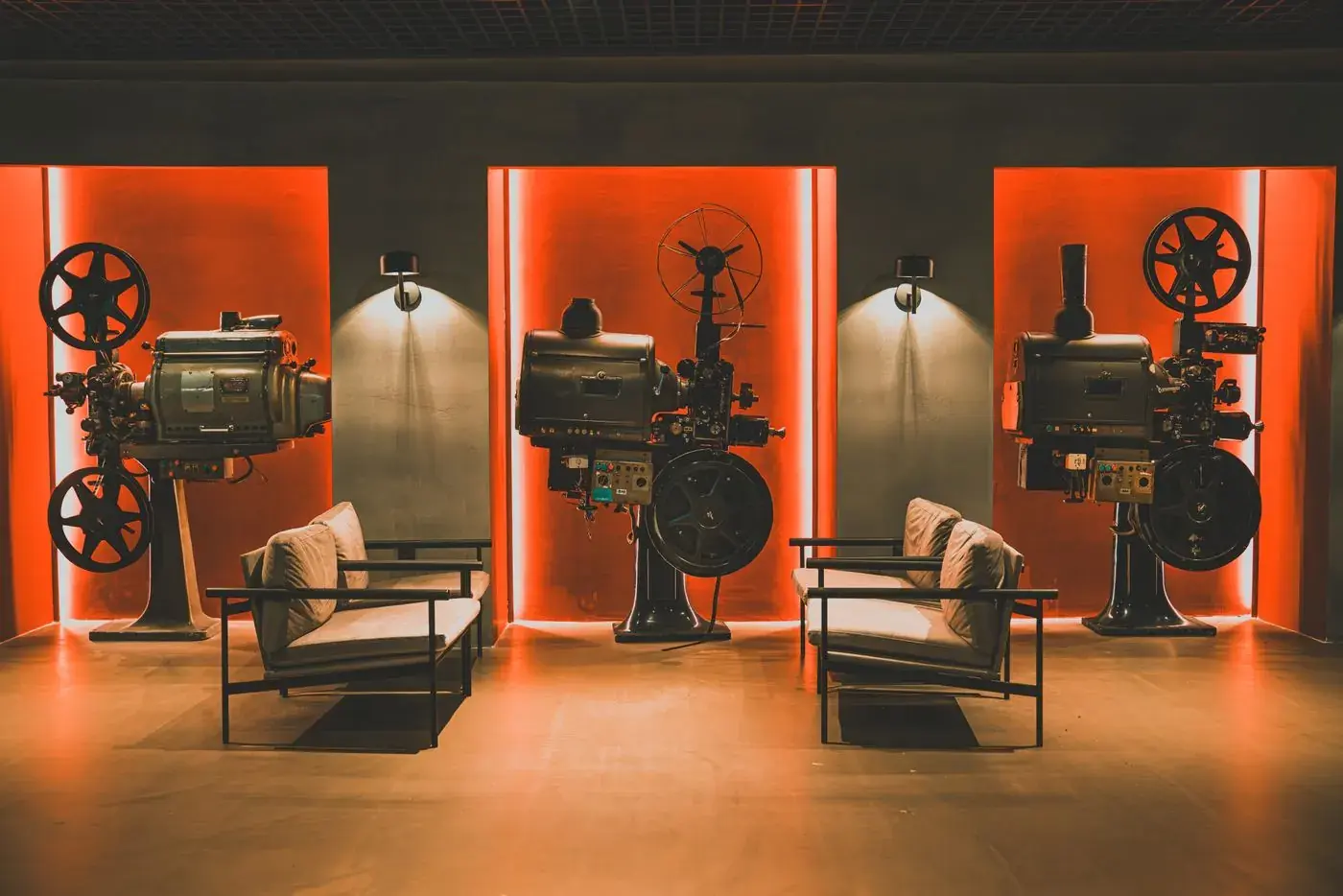
AVESSA Cinema
From Mumbai to Hollywood, the West End to the world.
Four great traditions, four different demands on a performer. Learn what each asks of your eyes, voice and body.
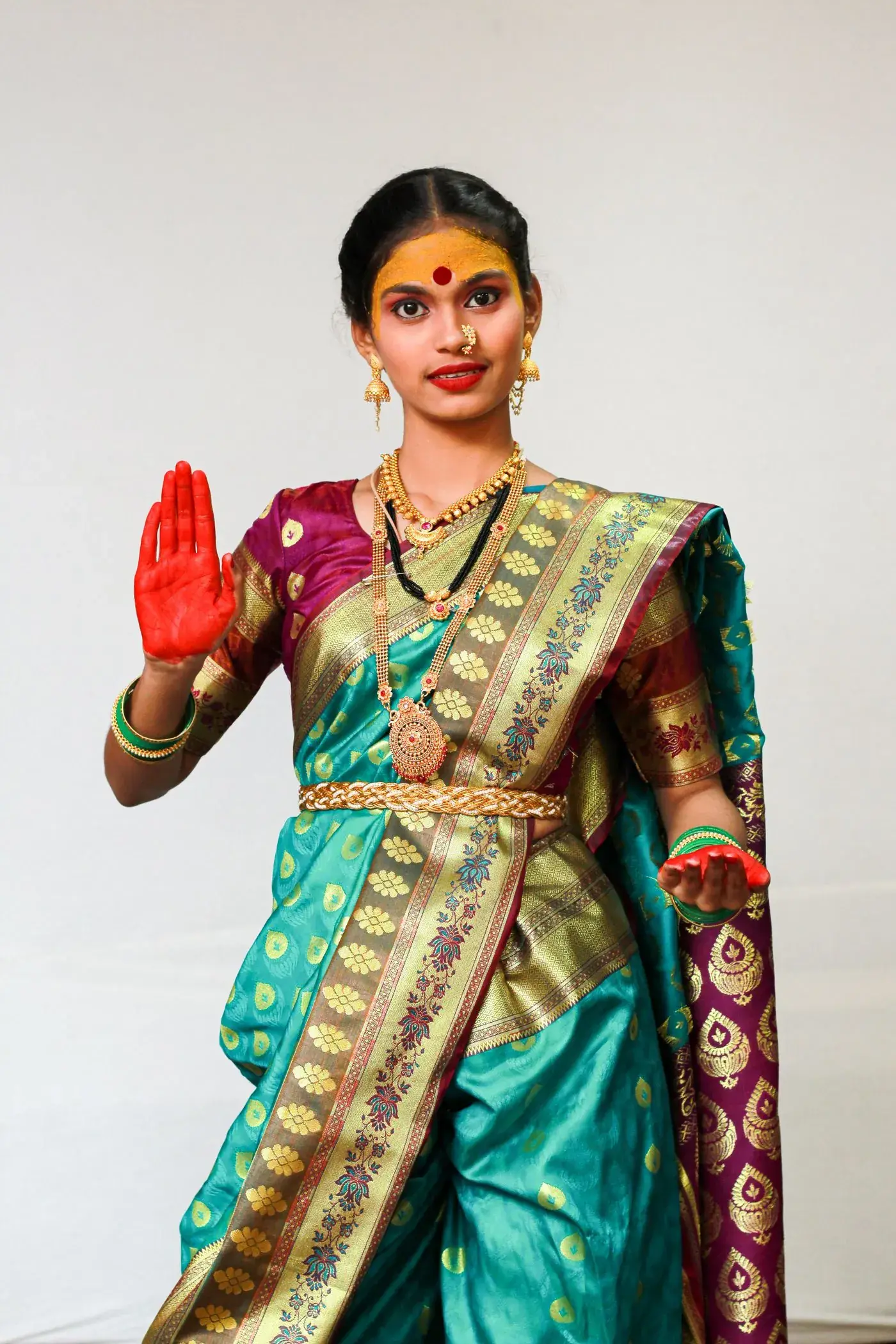
Colour, music and heightened emotion
Bollywood
Hindi cinema asks performers to move between intimate drama and full-scale musical spectacle, often within one scene. Expression is generous, the eyes and hands tell the story, and classical dance traditions such as kathak shape how actors move.
The craft
- Expressive eyes and abhinaya
- Hand gesture and grace
- Moving from dialogue into song
- Emotional scale
Original AVESSA scene concept
The Monsoon Letter
A woman reads a letter she was never meant to receive, as the first monsoon rain begins. The scene moves from silence into song.
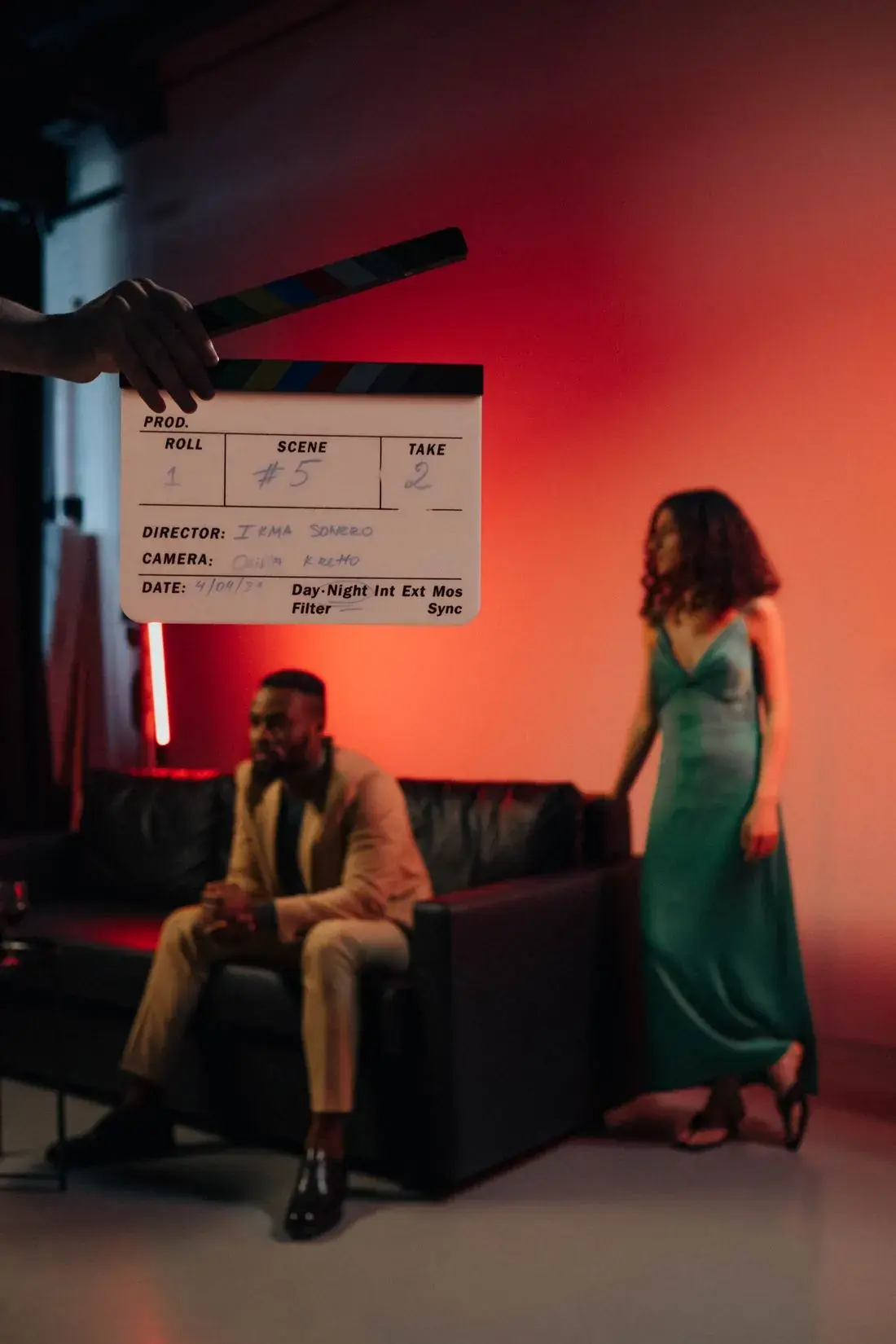
The close-up and the star persona
Hollywood
Screen acting is built for the camera's intimacy. A thought behind the eyes reads clearly; anything pushed reads as false. The golden age added glamour and persona; modern screen acting prizes truth in the smallest gesture.
The craft
- Thinking on camera
- Stillness and economy
- Hitting a mark
- Persona and glamour
Original AVESSA scene concept
The Screen Test
An unknown actress has one take to convince a famous director. She decides to ignore the script.

Text, wit and the classical stage
British Theatre
The British tradition places the text first: verse, rhythm, clarity and wit carried to the back of the auditorium. Restraint is a technique, and period drama demands posture, manners and command of language.
The craft
- Speaking verse and heightened text
- Projection without force
- Period movement and manners
- Irony and wit
Original AVESSA scene concept
The Drawing Room
Two sisters, one inheritance, and a conversation in which nobody says what they mean.
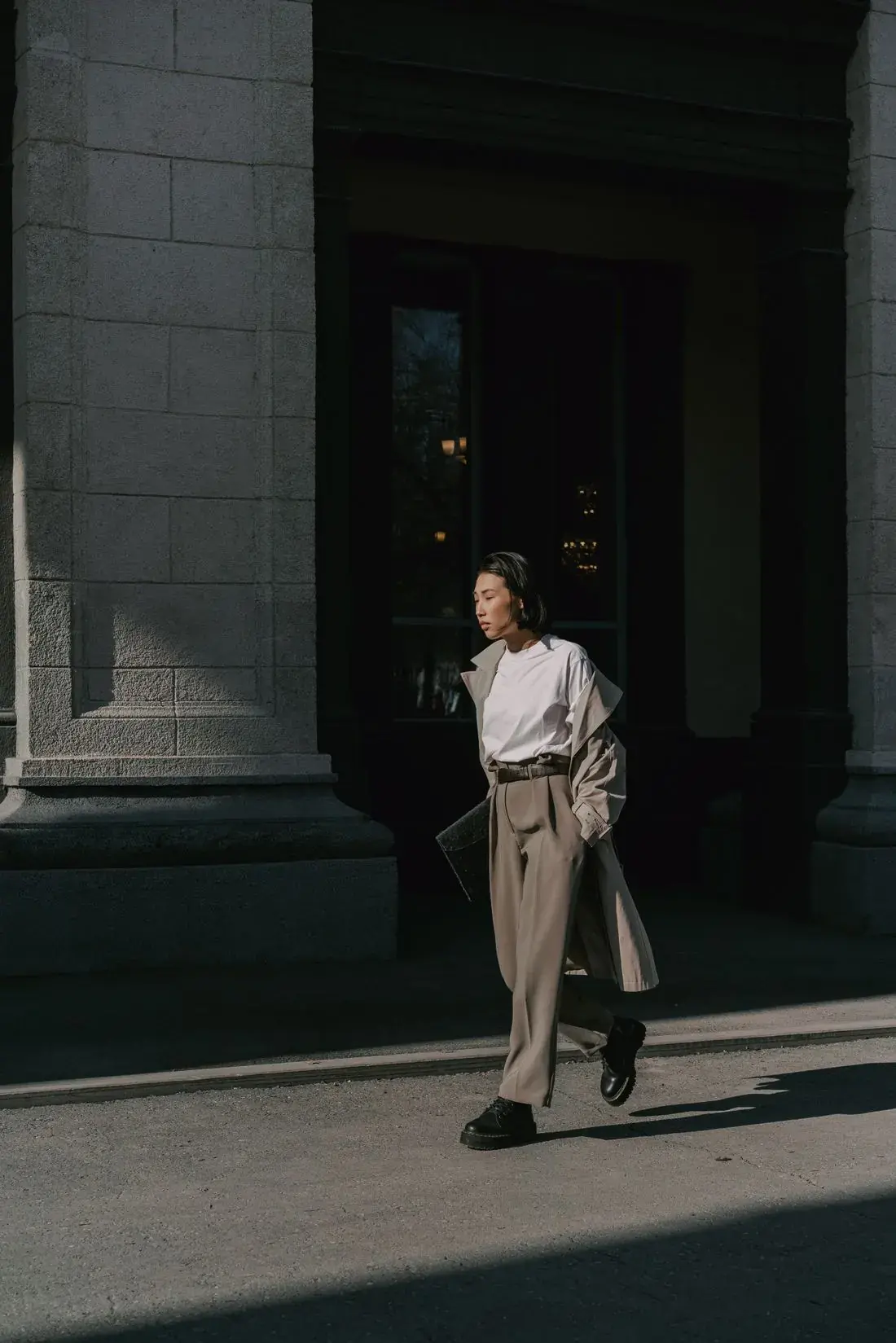
Naturalism, ambiguity and stillness
International Cinema
From European art-house to the great directors of Asia, Africa and Latin America, world cinema often trusts silence, long takes and ambiguity. The performer learns to live truthfully in a moment without explaining it.
The craft
- Naturalism
- The long take
- Silence and subtext
- Performing in translation
Original AVESSA scene concept
The Last Train
A woman waits on a platform in a city she is leaving forever. No dialogue for the first three minutes.
In development
Full cinema programmes are being written now.
Begin today with character study and the daily programme; cinema programmes will join your academy as they open.